
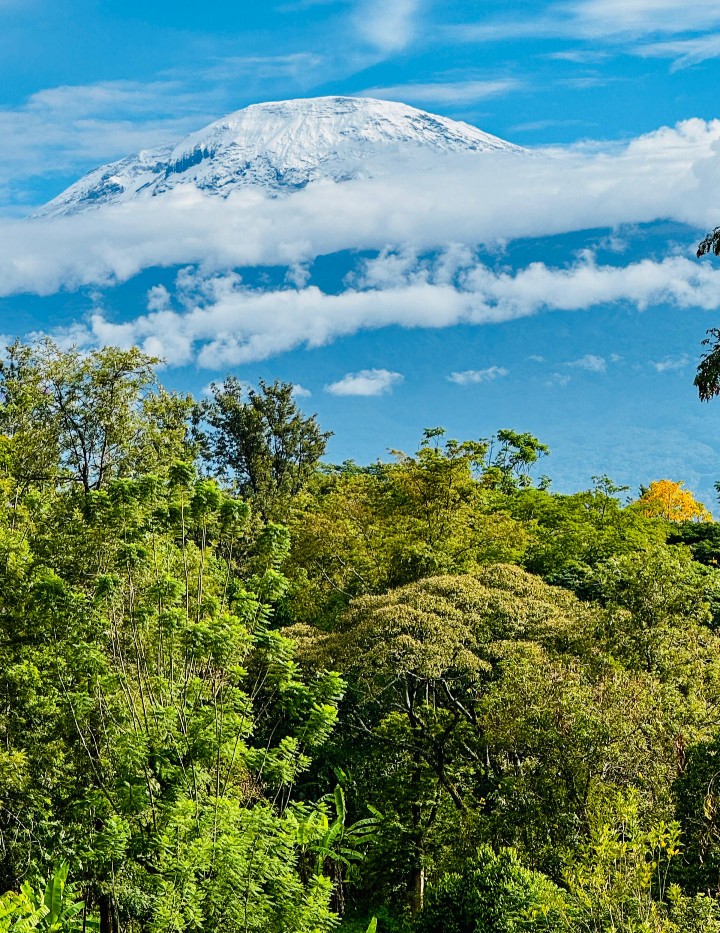
Lemosho Gate → Shira Camp
The Northern Circuit begins on the Lemosho trail, with a shorter first day because the gate sits at 2,100 metres. You reach the Shira plateau and the camp on its edge, with the whole southern face of Kibo in view.
8–9 days • Longest acclimatisation option
The Northern Circuit is the longest standard route option, circling more of the mountain before summit night and giving travelers more time on the trail.

The Best Acclimatisation On Kilimanjaro. This is our standard route plan, with camps, distances and walking times shown for each stage. Exact camps and sequencing are confirmed with you before you travel, based on park regulations, weather and mountain conditions.
The Northern Circuit begins on the Lemosho trail, with a shorter first day because the gate sits at 2,100 metres. You reach the Shira plateau and the camp on its edge, with the whole southern face of Kibo in view.
Across the plateau to Moir Hut, high on a ridge. Sleeping at 4,150 metres this early is the beginning of the gradual ascent that defines this route. The afternoon can be spent walking the plateau for views of Kibo and Little Meru.
Onto the Lentare Plateau and up into the alpine zone, where the ground turns to rock and scree. Kibo's crater rim is clearly visible now, and so is the scale of the remaining climb.
A proper rest day built around an optional climb of Little Meru, Kilimanjaro's smaller volcanic neighbour at 4,379 metres. It is a real mountain in its own right, and summiting it in the morning is the single best acclimatisation session available on Kilimanjaro. Those who prefer a gentler option walk toward the Kibo glacier viewpoint instead.
The longest walking day of the route. You traverse the remote northern circuit, passing the Rongai and Kioo valleys, which is the wildest and least visited ground on the mountain. No other route takes you here, and it is largely untouched.
The standout day of the Northern Circuit. You climb to around 5,100 metres on the shoulder of Kibo, high enough to see the crater and the summit cone from close range, then descend back to camp. Sleeping high on this day is what makes the final summit push feel achievable.
A longer descent through the northern valleys to Sixth Day Camp on the Marango trail. The change in landscape is dramatic, from bare alpine rock back into moorland and heather, and the descent is a good day for the legs.
The last stage to Barafu, the final camp before the summit. Your crew briefs you on the night ahead, checks cold-weather gear and makes sure everyone is eating and drinking properly. Early to bed is the instruction, and it is the right one.
Departure in the dark with headtorches, the Stella Point ridge at first light, and the scramble to Uhuru Peak for sunrise. Because of the gradual ascent over nine days, most climbers reach the summit feeling well. The descent to Mweka Camp in the rainforest is long and tiring but over quickly.
A quiet final morning through the forest to the Mweka gate, then the transfer to Moshi or Arusha. In the 8-day version, the Kibo acclimatisation day is shortened and the descent on day seven is a little longer.
This is a standard itinerary. Exact camps, timings and the number of nights are adjusted to park regulations, weather, mountain conditions and the final trip plan. The Northern Circuit is the longest and most expensive route, and it is the one most climbers describe as the best experience of the mountain.
Tell us your preferred dates and route. We can advise on duration, accommodation, transfers and what to pack.
Yes. A Kilimanjaro climb can be combined with a northern Tanzania safari or a Zanzibar beach extension.
Layered clothing, waterproof outerwear, good trekking boots, headlamp, gloves and personal medication are typical essentials. We provide a personalised packing list after booking.
Yes. Private climbs can be arranged for couples, families and small groups.