
A spice tour is a walk through small family plots where cloves, black pepper, cinnamon, nutmeg, lemongrass, cardamom, vanilla and citrus grow together. Tours usually include cutting and tasting fruit, and often a demonstration of how cloves are dried.
What to buy, and what to skip
Buy whole spices, spice blends and things that will not spoil: dried cloves, cinnamon sticks, peppercorns, vanilla pods, and Zanzibar's famous spice tea. Also worth buying are essential oils and the small locally woven mats.
Be cautious with pre-packed 'spice tour in a jar' sold to tourists, and with anything presented as vanilla that smells more like alcohol. Ask what the price is per unit before agreeing to anything.
One day in Stone Town
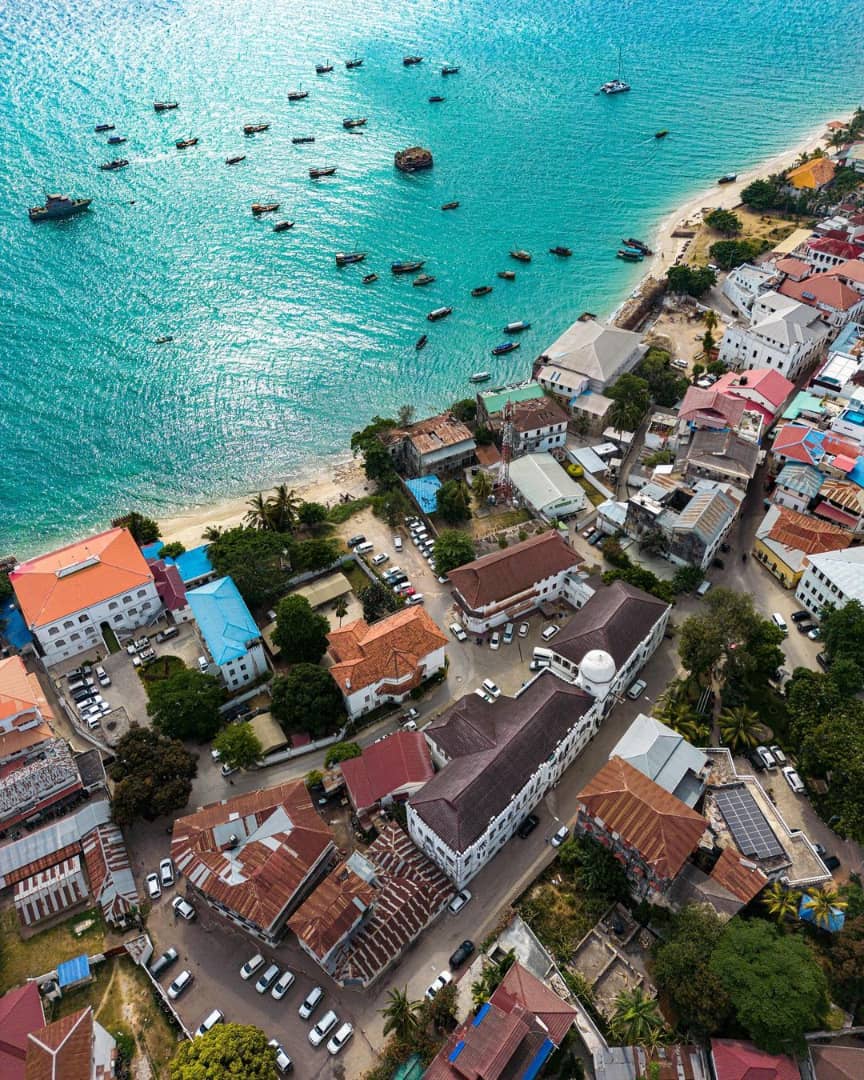
Stone Town is a UNESCO-listed tangle of coral-rag lanes, carved doors and flat-roofed houses. Walking it without a plan means getting pleasantly lost, which is part of the appeal.
A workable day: start at the Old Fort and the slave market memorial nearby, walk to the Anglican Cathedral built on an old slave market site, then continue to the Palace Museum and the Sultan of Oman monument. Finish near Forodhani Gardens in the evening for street food.
Getting around
Everything in Stone Town is walkable. Outside the town, arrange a short taxi or a driver for the day, since the distances to spice farms, beaches and the airport are real.
Tuk-tuk tours are cheap and lively. They are fine for the main streets but not for the outer roads, and a driver for a full day costs less than you would expect.
Combining it with a safari
Zanzibar works well as a three- to five-night finish after a northern circuit safari, or as a rest stop before a Kilimanjaro climb. A short internal flight from Kilimanjaro to Zanzibar takes about an hour and saves a long day of driving.
Most safari-and-Zanzibar itineraries spend the first morning on a spice tour or Stone Town, then move to the north or south coast for the rest of the stay.